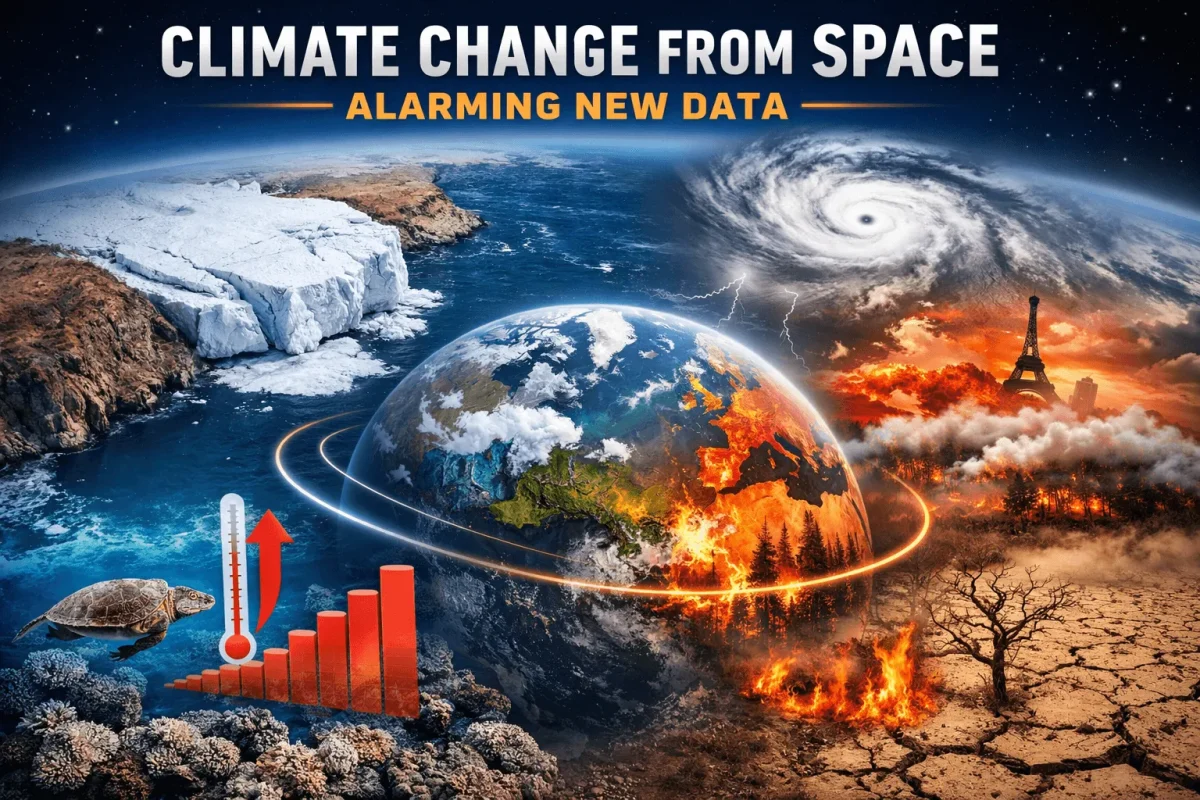
What the Satellites Are Telling Us
- Rising Ocean Temperatures: Data shows that oceans are heating faster than previously thought, affecting marine ecosystems and global weather patterns.
- Declining Carbon Uptake: Some soils and forests are absorbing less CO₂ than expected, which could accelerate atmospheric warming.
- Accelerated Ice Melt: Polar ice sheets are losing mass at unprecedented rates, contributing to sea level rise.
- Extreme Weather Signals: Satellites detect shifts in weather patterns that are linked to more frequent heatwaves, droughts, and storms.
Why This Matters
Understanding these trends is critical for predicting future climate scenarios and preparing communities for the consequences of change. Just as a certified dishwasher technician ensures appliances operate safely and efficiently, scientists rely on these precise measurements to maintain accurate climate models and forecasts.
Global Implications
The satellite findings show that urgent measures are required to reduce greenhouse gas emissions and strengthen climate resilience. From agriculture to infrastructure, coastal management to energy systems, the impacts of these trends will be felt across all sectors.
Looking Ahead
As more satellites are launched and data becomes increasingly detailed, our ability to understand and respond to climate change improves. Continuous monitoring allows scientists, policymakers, and communities to make informed decisions that protect both people and ecosystems.
Tropos Project will continue to track these developments, providing insights and analysis to empower action against climate change.